
Access Denied
IMPORTANT! If you’re a store owner, please make sure you have Customer accounts enabled in your Store Admin, as you have customer based locks set up with EasyLockdown app. Enable Customer Accounts

the eq cylinder damper
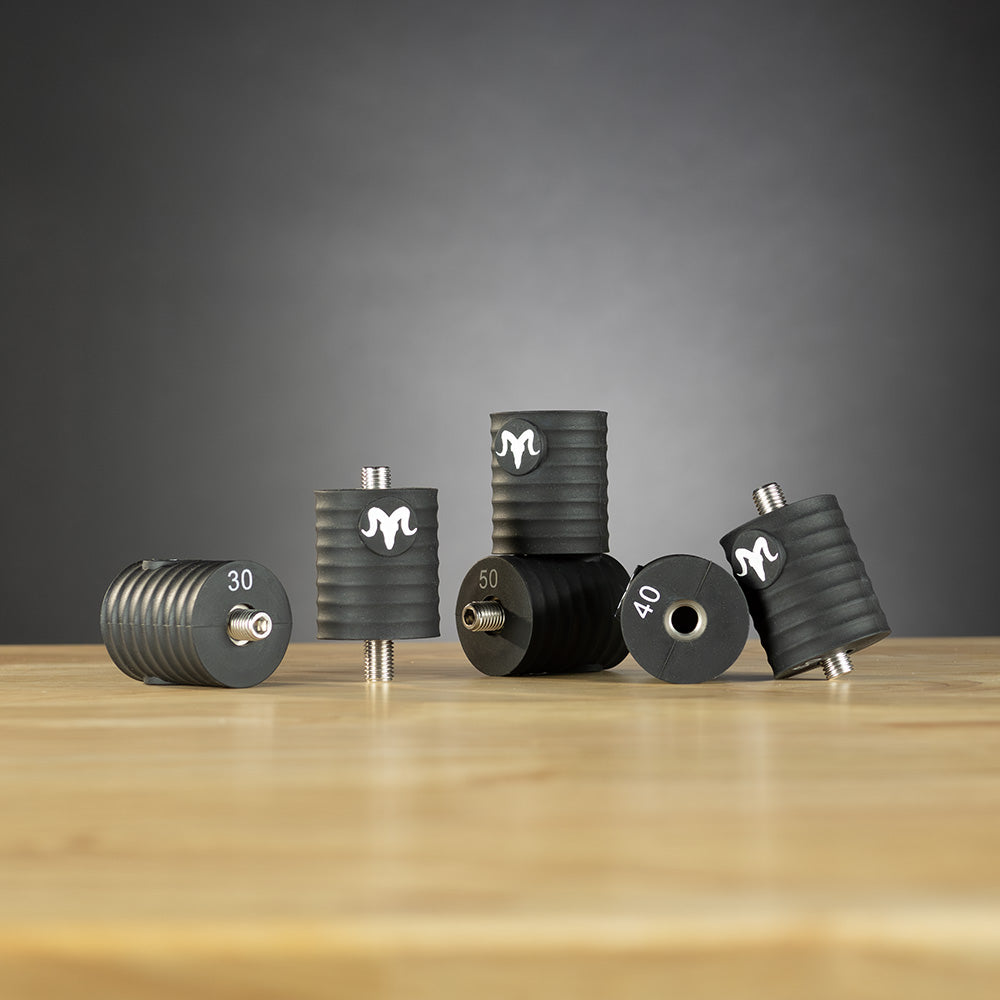
The original EQ Cylinder Damper is designed to integrate seamlessly with our 1.25” diameter weights, stacking cleanly in your system while cutting vibration.
There are two main ways to set up the EQ Damper: sandwiched between two weights with weight on both sides of the damper (which is what we recommended) or directly on the stabilizer, with all weights on the outside of the damper.
Recommended starting points
Each durometer of EQ Damper pairs best with a certain range of weight on the outside. Use these as guidelines:
- 30 stiffness (softest): 1–3 oz
- 40 stiffness (medium): 4–8 oz
- 50 stiffness (firmest): 9–12+ oz
These ranges are not hard limits. They’re designed to give you a reliable starting place before you start fine-tuning.
fine tuning for feel
Because the EQ Cylinder Damper is built to work with weight on both sides, you can mix and match nearly any durometer with any total mass weight.
For example,
If you're running 8 ounces of front weight with a 40 stiffness EQ Damper, but it feels too floppy with all 8 ounces on the outside, you can start shifting some of the mass weight inwards. Place part of the weight stack between the stabilizer and the damper, and leave the rest on the outside until you hit the feel you want.
This method of balancing inside vs. outside weight is the key to unlocking the best feedback and bow reaction for your shot style.
the eq taper damper
The EQ Taper Damper is designed to smoothly blend your stabilizer into your weight stack.
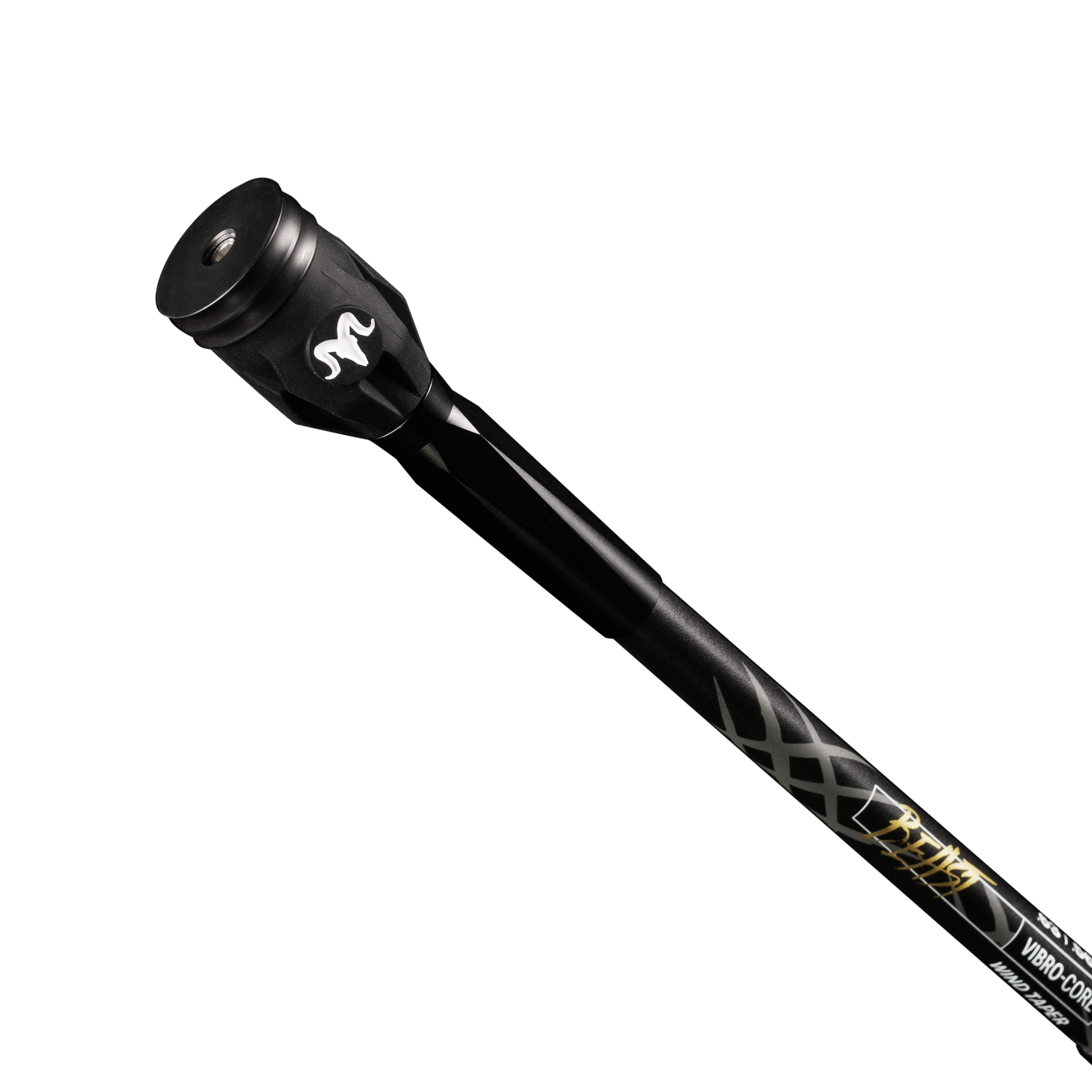
One side blends perfectly into RamRods stabilizers while the other side matches the profile of our 1.25" stabilizer weights, creating a clean and continuous look from rod to weight stack.
The EQ Taper Damper provides that final level of refinement while maintaining the clean aesthetics of a fully integrated stabilizer system. Multiple stiffness options allow archers to fine tune the damper response to match their setup and dial in the exact shot feel they prefer.
Recommended starting points
The EQ Taper Damper is only available in 40 stiffness.
It is designed for archers who prefer mounting their damper directly on the end of a stabilizer. When paired with moderate weight systems, the EQ Taper Damper provides excellent vibration reduction in a compact and clean package.
Suggested weight range: 1–8 oz mounted beyond the damper. Some archers may prefer running higher weight systems depending on their setup and tuning preferences.
the eq bow damper
The EQ Bow Damper was designed to give archers complete flexibility in how and where they add vibration damping to their bow.
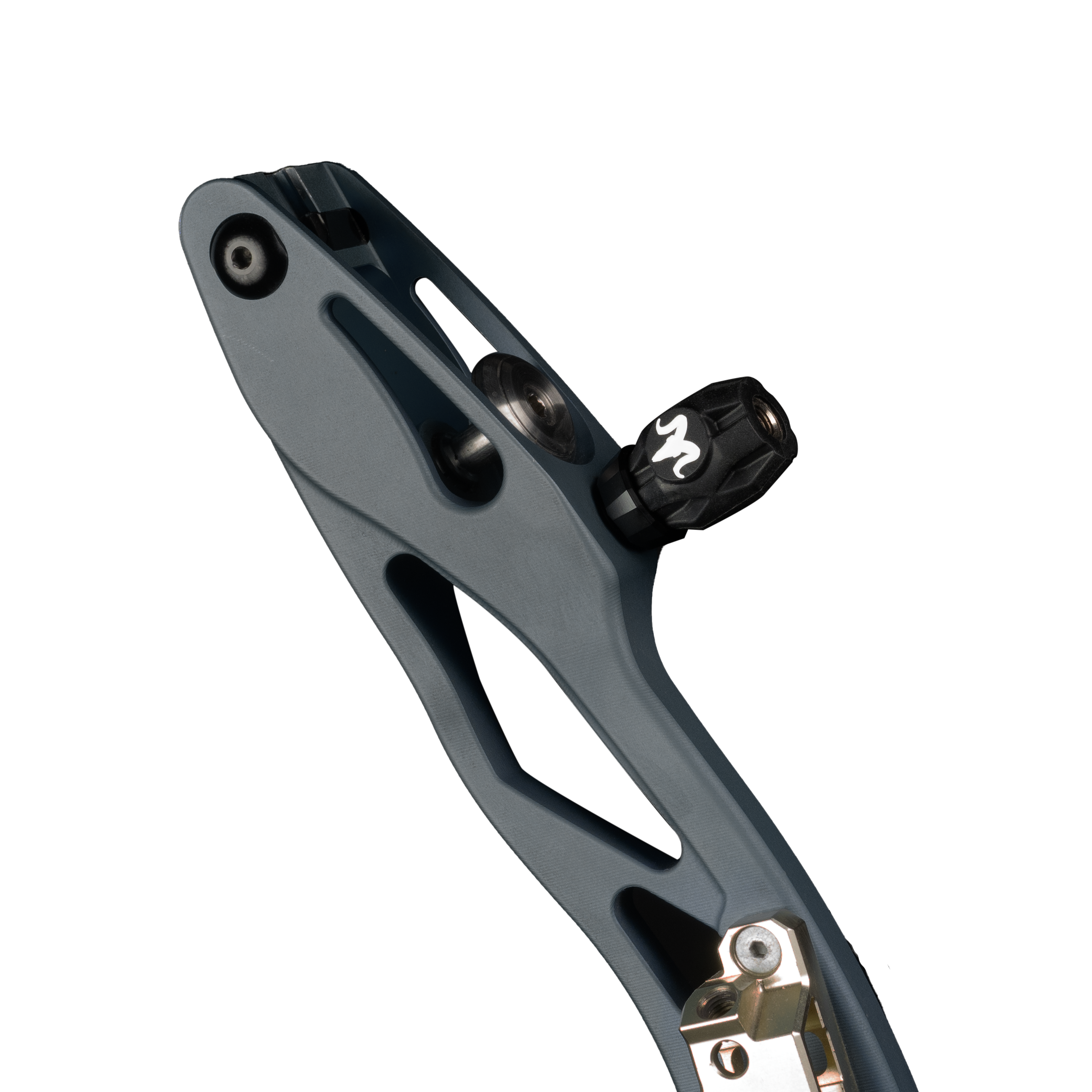
The EQ Bow Damper can be mounted anywhere a standard stabilizer bushing exists. This allows archers to experiment with damping placement throughout their setup and dial in the exact shot feel they prefer.
Its compact 0.75" face design makes it easy to integrate without adding unnecessary bulk, while the removable aluminum collar allows archers to further customize the system. Running the collar installed adds a small amount of mass and stiffness to the damper. Removing it creates a softer reaction and greater damping movement.
The result is a highly adaptable damping system that can be tuned to match a wide range of setups and preferences. While the EQ Bow Damper excels when mounted directly to the bow, it can also be used on stabilizers when desired.
Recommended starting points
The EQ Bow Damper is only available in 30 stiffness.
It is especially useful for archers experimenting with damping placement throughout their setup, whether mounted directly to the bow, on accessory bushings, or within stabilizer systems.
Its compact size and tunable design make it a great option for archers looking to reduce vibration without adding excessive bulk or weight to their setup.
Suggested weight range: Up to 4 oz beyond the damper
the eq barrel damper
The EQ Barrel Damper was designed to have a familiar feel to most traditional rubber dampers.
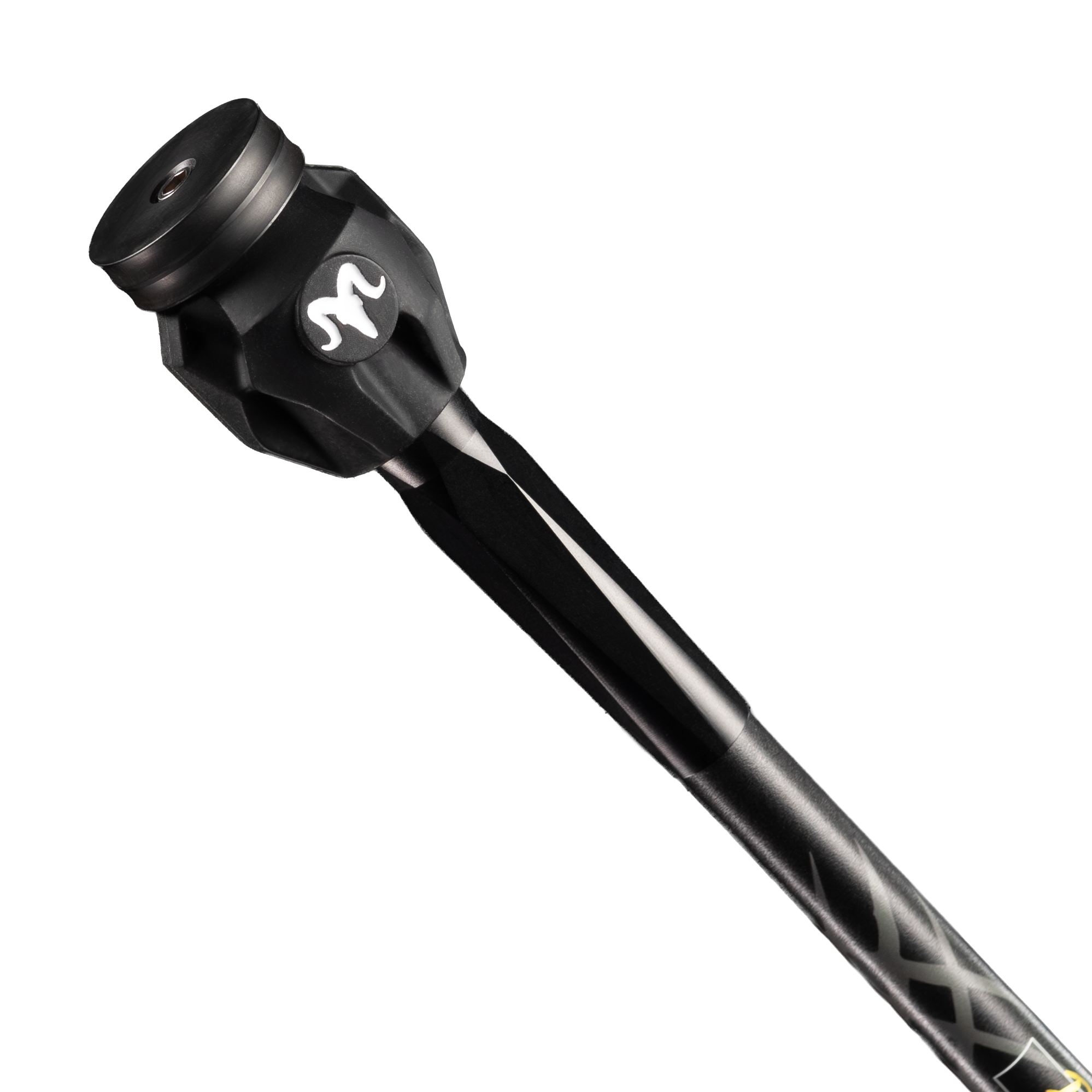
It works well for a huge range of athletes and setups, from lightweight target configurations to heavier stabilizer systems requiring additional vibration control and shot refinement.
It works exceptionally well mounted directly on the end of a stabilizer, but it can also be placed between weight stacks to alter system response and tuning characteristics.
Recommended starting points
The EQ Barrel Damper is available in two stiffness options to help archers fine tune performance based on their setup. The 40 stiffness option is recommended for lighter and moderate weight systems, while the 50 stiffness option is designed for heavier setups that require greater support and control.
Suggested Weight Range:
40 stiffness: Up to 8 oz beyond the damper
50 stiffness: Over 8 oz beyond the damper
signs you found the optimal balance
The “perfect” damper setup isn’t the same for everyone. Some archers prefer a firm, solid feel that preserves every bit of aiming stability. Others value maximum damping, even if it adds a touch more flex.
You'll know you're close to the right balance when you like how your bow sounds when it's shot, how your bow feels in your hand, and if your bow steadily aims without feeling loose or floppy.
In the end, the best damping setup is highly personal. If your bow feels and performs the way you want then you’ve found the right configuration for you.
Invalid password
Enter